Taking out a loan with someone else sounds straightforward enough. You combine incomes, share the repayment burden, and hopefully qualify for a better deal. But joint loans come with more nuance than most people realise, and going in without the full picture can lead to some unpleasant surprises down the road.
Whether you are considering a joint loan for a big purchase, to fund a renovation, or even as a loan for wedding expenses, here is what you genuinely need to understand before you sign anything.
What Is a Joint Loan, Exactly?
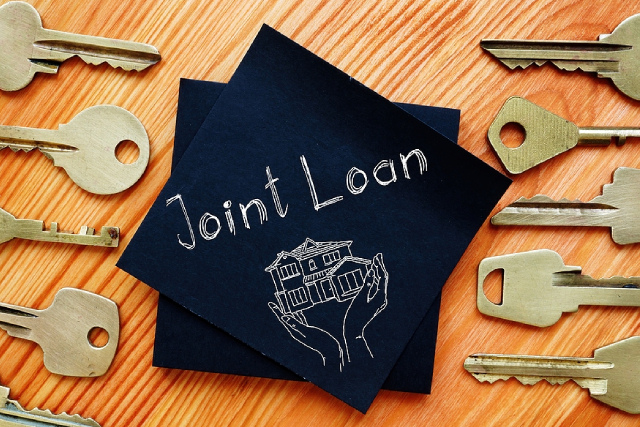
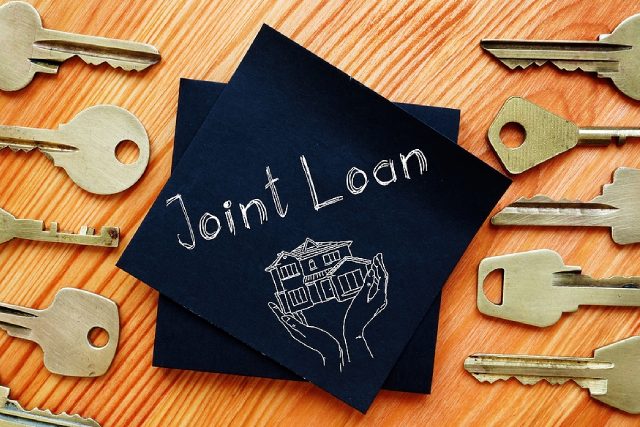
A joint loan is simply a loan taken out by two or more borrowers together. Both parties apply, both are assessed, and both are legally responsible for repaying the debt. This is different from having a guarantor, where one person steps in only if the primary borrower defaults. With a joint loan, everyone on the application is equally on the hook from day one.
In Singapore, joint loans are commonly used by couples, siblings, business partners, or close friends who want to pool their financial strength to access a larger loan amount or better interest rate.
Why People Choose Joint Loans
The most obvious advantage is combined borrowing power. Lenders assess joint applications based on the total income of all applicants, which can significantly increase how much you are eligible to borrow.
This is especially useful for major life milestones. If you are planning a wedding and exploring a loan for wedding costs, applying jointly with your partner means your combined income is taken into account, which may improve your approval chances or get you a more favourable rate. Many couples planning around the best months to get married find themselves looking at financing options well in advance, and a joint loan can be a practical way to manage those costs together.
Other reasons people opt for joint loans include:
- One applicant has a lower credit score, but the other has strong credit history
- Both parties are directly benefiting from the funds (e.g., shared renovation, shared property)
- The repayment amount is more manageable when split between two incomes
The Risks You Should Not Overlook
Here is where things get serious. Joint loans are not without risk, and it is important to go in with your eyes open.
You are both fully liable. This is not a 50/50 split of responsibility in the eyes of the lender. If your co-borrower stops paying, the lender will come after you for the full amount. It does not matter whose idea the loan was or what your personal arrangement is.
Your credit score is affected. A joint loan appears on both applicants’ credit reports. If repayments are missed, both credit scores take the hit. This can make it harder to secure future loans, credit cards, or even a mortgage.
Relationship breakdowns happen. Money and relationships are a complicated mix. If you fall out with your co-borrower, whether it is a business partner or a former partner, sorting out who pays what can become genuinely messy. The lender will not care about your personal situation; they just want the money repaid.
What Lenders Look At
When you apply for a joint loan in Singapore, lenders will typically assess the following for all applicants:
| Factor | What Lenders Check |
| Credit score | Repayment history, outstanding debts |
| Income | Salary slips, CPF contributions, tax assessments |
| Debt-to-income ratio | Existing financial commitments |
| Employment status | Stability and type of employment |
| Residency status | Singapore citizen, PR, or foreigner |
Having one strong applicant can help offset a weaker one, but do not assume it will guarantee approval. Some lenders weigh the weaker profile more heavily to manage their own risk.
How to Protect Yourself
If you do decide to go ahead with a joint loan, there are a few sensible steps worth taking.
First, put your repayment arrangement in writing. Even if you trust the other person completely, having a written agreement about who pays what and when removes ambiguity later. This is especially important for non-married co-borrowers.
Second, set up automatic payments where possible. This reduces the chance of a missed repayment due to forgetfulness or a communication breakdown between you and your co-borrower.
Third, keep tabs on the loan together. Do not assume the other person is managing it. Check in regularly and make sure both of you can see the repayment status.
Finally, consider whether you actually need a joint loan or whether a personal loan in your own name might suffice. Just because you can apply jointly does not always mean you should.
Can You Remove Someone from a Joint Loan?
This is a common question, and the honest answer is: it is not easy. Most lenders in Singapore do not allow one borrower to simply be removed from an existing joint loan. You would typically need to refinance the loan entirely under one person’s name, which requires that person to qualify independently. Alternatively, you can repay the loan in full.
This is worth thinking about before you apply, particularly if there is any chance the co-borrowing arrangement might not last the full loan term.
Ready to Explore Your Options?
Joint loans can be a smart financial tool when used thoughtfully and between parties who genuinely trust each other. But they carry real responsibility, and understanding that responsibility upfront makes all the difference.
If you are looking for flexible and transparent loan options in Singapore, speaking with a licensed money lender is a good place to start. A reputable Singapore licensed money lender can walk you through what you qualify for, whether you are applying alone or with a co-borrower, and help you find terms that work for your situation. Look for lenders registered with the Ministry of Law to ensure you are borrowing safely and legally. Contact SG Licensed Money Lender today to explore your loan options with a trusted Singapore licensed money lender.