Walk past a luxury boutique on Orchard Road or Marina Bay, and it is hard not to pause at the sight of a watch priced higher than a car, a flat renovation, or even a wedding banquet. For many, the idea of spending six or seven figures on a timepiece feels almost unreal. Yet for collectors, entrepreneurs, and professionals in Singapore, the world of high-end horology holds a powerful appeal.
So the real question is not just whether luxury watches are beautiful or impressive. It is whether the most expensive watches are truly worth their price tag, and what “worth” even means in this context.
Is it about financial return, personal fulfilment, social status, or something deeper?
Let us explore what drives these eye-watering prices, what buyers actually get in return, and how to think wisely before making such a significant financial decision.
Why Do Some Watches Cost More Than Homes?
At first glance, a watch tells time. Your smartphone does that for free. So why would anyone pay S$500,000, S$1 million, or even more?
The answer lies in a combination of craftsmanship, rarity, heritage, and demand.
High-end watches are not mass-produced consumer goods. Many are assembled by hand, with movements containing hundreds of tiny components, finished and adjusted by master watchmakers who train for decades. Complications such as tourbillons, perpetual calendars, minute repeaters, and split-second chronographs are mechanical marvels that few brands in the world can produce reliably.
Then there is rarity. Some models are limited to a few dozen pieces worldwide. Others are discontinued, with supply permanently capped. When demand continues to grow but supply remains fixed, prices naturally rise.
Finally, brand heritage plays a huge role. Names like Patek Philippe, Audemars Piguet, Rolex, and Richard Mille are not just manufacturers. They are institutions with decades or centuries of history, closely tied to royalty, explorers, athletes, and industry leaders.
In Singapore’s mature luxury market, this combination creates an environment where ultra-high prices are not only accepted, but actively pursued.
The Investment Argument: Can Expensive Watches Make Money?
One of the strongest justifications buyers use is investment potential.
Certain watches have demonstrated remarkable appreciation over time. A stainless steel Patek Philippe Nautilus or a Rolex Daytona purchased at retail years ago can now sell for several times its original price. Vintage references, rare dial variations, and limited editions often outperform traditional assets in certain market cycles.
For example:
- A Patek Philippe Nautilus 5711/1A, once retailing for under S$50,000, has traded above S$150,000 in recent years.
- Vintage Rolex Daytonas have crossed into the millions at auctions.
- Certain Richard Mille models regularly trade in the high six-figure to seven-figure range.
This has led many buyers to view luxury watches as alternative assets, alongside art, wine, and property.
However, this is not guaranteed.
Not every expensive watch appreciates. Many models depreciate immediately after purchase. Market trends shift. Tastes change. Even top brands release references that fail to gain traction.
In other words, watches can be investments, but they are highly selective investments. Success depends on deep market knowledge, timing, brand strength, and long-term patience.
Status, Identity, and Personal Meaning
Beyond money, expensive watches carry powerful symbolic value.
A watch often marks a milestone: a first business success, a wedding, a promotion, or a personal achievement. Unlike a car or gadget, a mechanical watch can last for generations. Many families pass down watches as heirlooms, carrying emotional value far beyond their resale price.
In professional circles, a watch can signal credibility, taste, and discipline. While subtlety matters more than flash, certain models are instantly recognised by those in the know.
For many owners, the true value is not in resale, but in daily enjoyment. The feel of a perfectly finished case, the smooth sweep of a high-beat movement, the quiet pride of wearing something made at the highest level of human skill.
In this sense, a luxury watch is closer to art than to a consumer product.
A Look at Some of the Most Expensive Watches in Singapore
To understand the scale of this market, here are examples of ultra-high-end watches available in Singapore as of early 2026.
Richard Mille: Ultra-Luxury and High-Performance Sports Watches
Known for advanced materials and futuristic design, Richard Mille sits at the very top of modern luxury.
- RM 011 Carbon Skeletonized: ~S$617,825
- RM 055 Bubba Watson: ~S$551,000 to S$805,000 (pre-owned)
These watches combine aerospace materials, extreme shock resistance, and complex movements, often produced in very small numbers.
Patek Philippe: The Pinnacle of Traditional High Horology
Often considered the most prestigious watch brand in the world.
- Aquanaut Haute Joaillerie 5268/461G: ~S$740,000
- Nautilus 5711/1A: ~S$149,950+
- Aquanaut 5067A-011 (pre-owned): ~S$46,650
Patek Philippe watches are famous for long-term value retention and multi-generational ownership.
Audemars Piguet: The Luxury Sports Icon
- Royal Oak 41 26240ST (2023): ~S$75,000+
- Royal Oak general range: ~S$4,946 to S$570,440
The Royal Oak remains one of the most recognisable luxury designs in the world.
Rolex: The Global Status Symbol
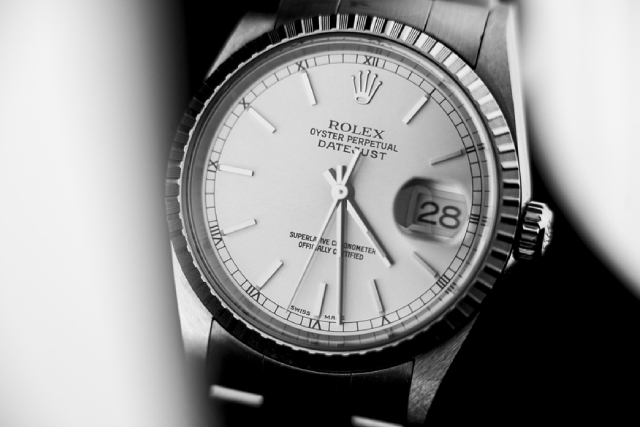
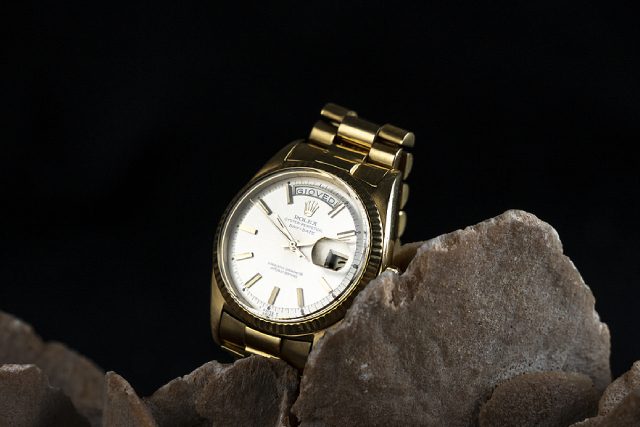
- Yacht-Master II 226668TBR: ~S$153,800
- Daytona 126518LN Oysterflex: ~S$113,650
- Submariner Date 126610LV: ~S$18,000 to S$73,600
- GMT-Master II “Batgirl”: ~S$24,200
Rolex combines strong branding, high liquidity, and broad market demand.
The Hidden Costs Most Buyers Overlook
While prices make headlines, true ownership costs go beyond the sticker price.
1. Maintenance and Servicing
High-end watches require regular servicing every five to ten years. For complicated movements, a single service can cost thousands.
2. Insurance
Insuring a six-figure watch is essential. Premiums add up over time.
3. Storage and Security
Many owners invest in safes, safety deposit boxes, or vault services.
4. Market Risk
Trends change. A hot model today may cool tomorrow.
5. Liquidity Risk
Unlike stocks, watches are not instantly liquid. Selling quickly may mean accepting a lower price.
These factors do not mean expensive watches are a bad idea. They simply mean buyers should enter with clear eyes and realistic expectations.
Are They Worth It for You?
This is where the answer becomes personal.
Expensive watches tend to make sense for people who:
- Have strong disposable income after covering essentials and savings
- Understand the market and buy selectively
- Value craftsmanship and long-term ownership
- Can afford to hold through market cycles
They make less sense for people who:
- Stretch finances to make a purchase
- Rely on appreciation to justify the cost
- Need short-term liquidity
- Are buying mainly for social pressure
A luxury watch should ideally be a reward, not a burden.
For many first-time buyers, the journey does not start with a six-figure complication. Instead, it begins with entry-level Rolex watches for under $15,000, which offer a more accessible way to enter the world of luxury timepieces while still enjoying strong brand heritage, reliable movements, and solid resale demand.
A Practical Framework for Decision-Making
Before buying, ask yourself:
1. Can I afford this comfortably without affecting my core financial goals?
2. Am I buying for enjoyment, investment, or both?
3. Do I understand this model’s long-term market prospects?
4. Am I prepared for maintenance and holding costs?
5. Would I still be happy owning this watch if its resale value falls?
If the answers feel uncertain, it may be wiser to pause.
Value Is More Than a Price
So, are the most expensive watches worth the price tag?
For some, absolutely. They combine artistry, engineering, heritage, and emotional meaning in a way few objects can. For others, they are unnecessary luxuries that offer little real return.
The truth is that “worth” is not universal. It depends on your finances, your values, and your life priorities.
A watch should never compromise your financial stability. It should complement a life already built on solid foundations.
Conclusion: Make Big Purchases with Clear Financial Planning
Luxury purchases, whether watches, weddings, or major life milestones, deserve careful planning and honest reflection.
If you are navigating significant financial decisions and want to borrow responsibly, SG Licensed Money Lender is here to help. With transparent terms, professional advice, and flexible financing solutions, our team supports individuals in making informed choices without unnecessary stress.
Explore your options wisely, plan ahead, and make every major purchase one you can enjoy with confidence.