Walking through Orchard Road or scrolling through Shopee and Lazada, you’ve likely seen the tempting invitation: “Split your payment into three interest-free instalments.” In 2026, the Buy Now, Pay Later (BNPL) phenomenon has become as much a part of the Singaporean lifestyle as our morning kopi. It feels like a financial superpower—getting that new iPhone or designer bag today while only paying a fraction of the cost upfront.
However, as many Singaporeans have discovered, with great convenience comes a subtle, creeping risk. While BNPL can be a useful tool for managing cash flow, it can also lead to a “death by a thousand cuts” scenario where dozens of small monthly payments suddenly overwhelm your bank account. Sometimes, when a surprise expense like a medical emergency or an urgent home repair pops up, and your bank account is drained by these hidden BNPL commitments, you might find yourself needing a fast cash loan to restore your liquidity.
But is BNPL inherently bad, or are we just using it wrong? Let’s dive deep into the 2026 landscape of deferred payments in Singapore.
What Exactly is BNPL in the 2026 Context?
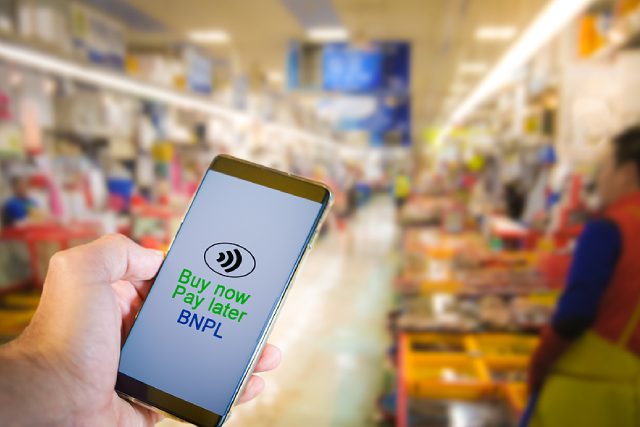
At its core, BNPL providers like Atome, Grab PayLater, and ShopBack PayLater allow you to purchase items and pay for them over a series of instalments—usually three or four—with no interest charged, provided you pay on time.
In the past, high-ticket items were the domain of credit card Instalment Payment Plans (IPPs). But BNPL has “democratised” debt. Now, you can split the cost of a $50 pair of sneakers or a $20 meal at a hipster cafe. By 2026, even smaller heartland merchants have adopted these payment gateways to stay competitive in a high-cost environment.
Why Singaporeans Love It
1. Immediate Gratification: You get the item now without the “pain” of a large lump-sum deduction.
2. No Credit Card Required: Many BNPL services only require a debit card and a minimum age of 18 or 21, making it accessible to students and gig workers.
3. 9% GST Buffer: With the GST at 9%, many consumers use BNPL to spread out the tax-inclusive cost of expensive electronics and furniture.
The Hidden Psychology: Why It Feels “Free”
The danger of BNPL isn’t the interest (since there usually isn’t any), but the psychology of spending. Marketing experts call it “reducing the pain of payment.” When you see a $1,200 laptop, your brain registers a significant loss. But when you see “$400 x 3,” the price feels manageable, even “cheap.”
This mental accounting trick often leads to “lifestyle creep.” You might never buy a $300 dress in one go, but if it’s only $100 a month, you might buy two. This is how a tool designed for convenience slowly transforms into a debt trap.
The 2026 Regulatory Landscape: Is It Safer Now?
Back in 2022, the industry launched the BNPL Code of Conduct, which has since been tightened by the Monetary Authority of Singapore (MAS). By 2026, several safeguards are in place to protect Singaporeans:
- Credit Caps: Providers now have stricter limits on how much an individual can owe across different platforms.
- Credit Bureau Checks: Many BNPL players now report to a centralised credit registry, meaning your “invisible” BNPL debts are now visible to banks and other lenders.
- Late Fee Caps: Regulations now prevent late fees from snowballing into thousands of dollars; however, they can still be significant (often $15 to $60 per missed payment).
Despite these rules, the responsibility still falls on the individual to manage their “total debt servicing ratio” privately.
BNPL vs. Credit Cards: A 2026 Comparison
Many people ask: “Why use BNPL if I have a credit card?” Here is how they stack up in the current Singaporean market:
| Feature | Buy Now, Pay Later (BNPL) | Traditional Credit Card |
| Interest Rate | 0% (if paid on time) | ~25% to 28% p.a. |
| Fees | Late payment fees (~$15-$30) | Annual fees, late fees, interest |
| Accessibility | Very high (Debit card users) | Moderate (Income requirements) |
| Rewards | Limited (some platform points) | High (Air miles, cashback) |
| Credit Impact | Low to Moderate | High |
Signs You Are Falling Into a BNPL Debt Trap
It starts small, but the red flags are usually there if you look closely. You might be in a “debt trap” if:
- You have more than three active BNPL plans across different apps.
- You are using one BNPL service to pay off another (the “robbing Peter to pay Paul” strategy).
- You find yourself checking your bank balance daily to ensure your “automatic deductions” don’t bounce.
- You feel a “high” when clicking the instalment button, followed by anxiety when the second and third payments are due.
Financial Health: Breaking the Cycle
If the points above resonate with you, it’s time to take a step back. As we navigate a more expensive Singapore, one of the most important bad money habits to break in 2026 is the reliance on future income to pay for current luxuries. We often assume that “Future Me” will be richer or have fewer expenses, but “Future Me” usually has to deal with inflation, rising utility bills, and unexpected costs.
Tips for Using BNPL Safely
1. The “Needs vs. Wants” Rule: Only use BNPL for essential “Needs” (like a fridge that broke down) rather than “Wants” (the latest fashion drop).
2. Limit Your Apps: Stick to one BNPL provider so you can easily track your total outstanding balance.
3. Treat it Like Cash: Deduct the full amount from your mental budget immediately. If you can’t afford the full price today, you probably shouldn’t be buying it.
4. Set Calendar Alerts: Don’t rely solely on the app’s “auto-debit.” Ensure your account has the funds 24 hours before the deduction date.
The Role of Licensed Lenders in a BNPL World
While BNPL is great for buying a new vacuum cleaner, it is a poor solution for genuine financial restructuring. If you find yourself buried under multiple late fees and missed instalments, the “convenience” of BNPL disappears, replaced by a damaged credit score and constant stress.
In these situations, consumers often need a more structured financial solution. Unlike BNPL apps that thrive on small, impulsive purchases, a licensed money lender offers a regulated way to consolidate debt or cover major life expenses with clear, upfront terms.
Conclusion: Tool or Trap?
Is BNPL a convenience or a debt trap? The answer depends entirely on the person holding the smartphone. In a city like Singapore, where the cost of living is high and the temptation to keep up with the “Crazy Rich Asians” lifestyle is ever-present, BNPL can be a slippery slope.
Used wisely, it’s a great way to manage cash flow. Used impulsively, it’s a trap that steals from your future savings.
If you have found yourself caught in a cycle of debt due to overspending on instalments, or if an unexpected life event has left you short on funds, don’t let the situation spiral out of control. It’s better to seek a transparent, legal solution than to struggle in silence or turn to unlicensed sources.
Struggling to balance your monthly budget or facing an unexpected financial hurdle? SG Licensed Money Lender is here to help. We provide professional, regulated, and compassionate financial assistance to help Singaporeans get back on their feet. Contact us today for a consultation and take the first step toward financial peace of mind.